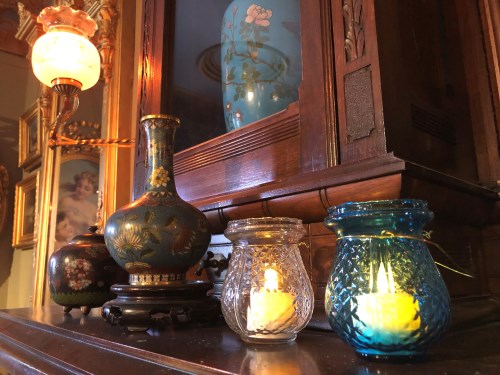
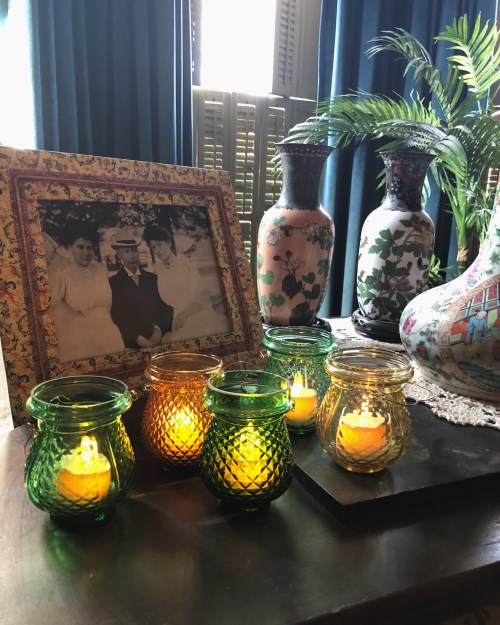
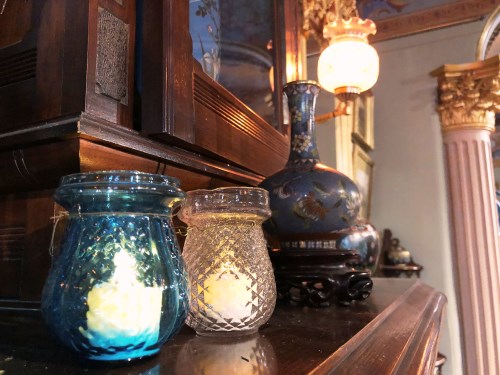
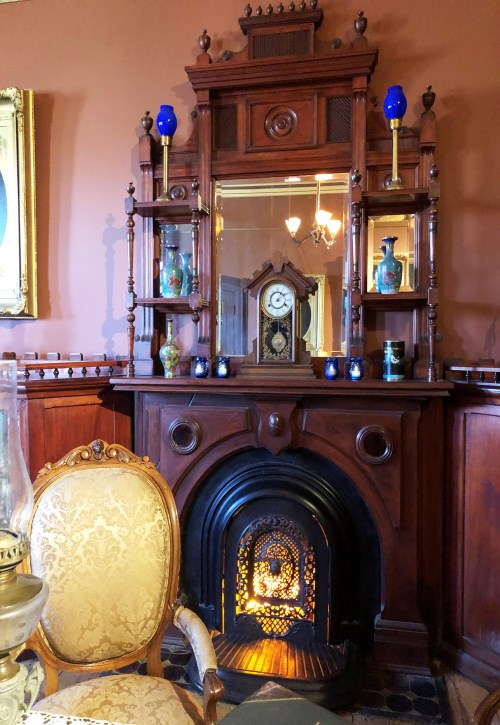
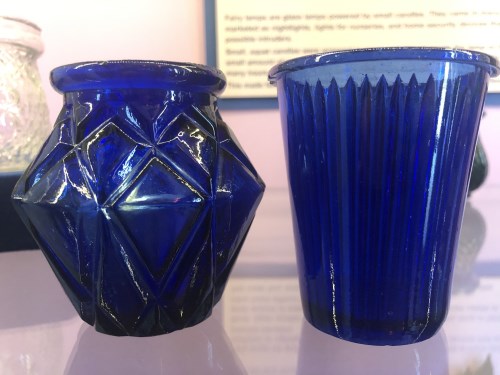
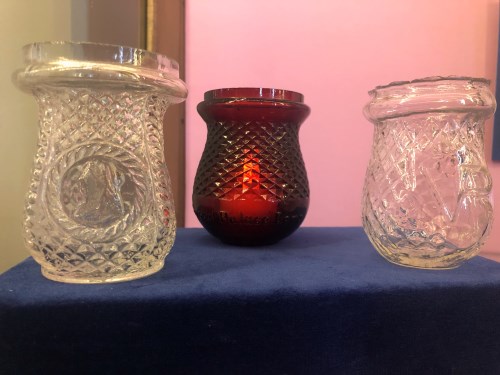
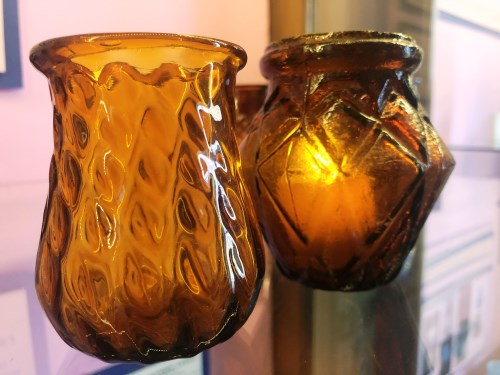
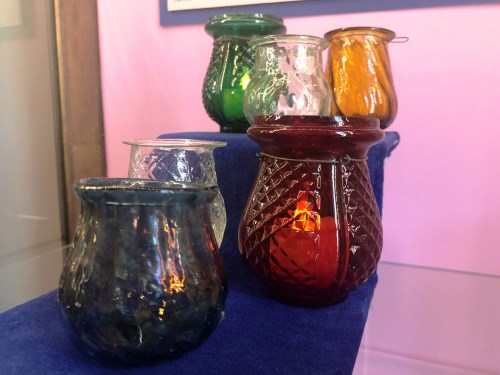
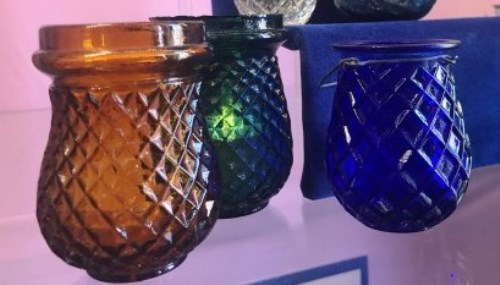
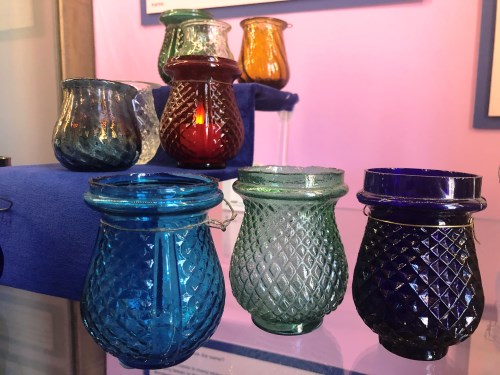
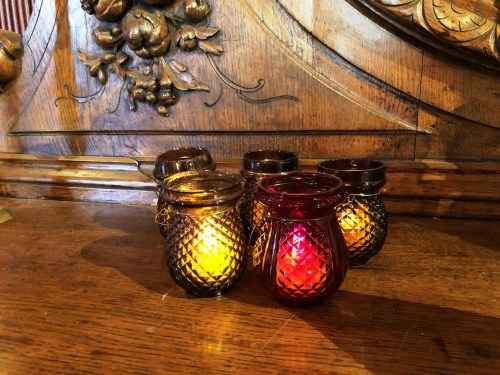
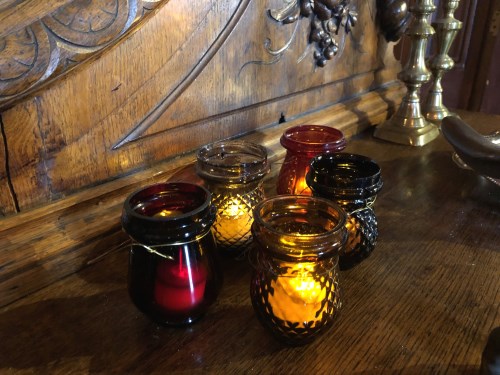
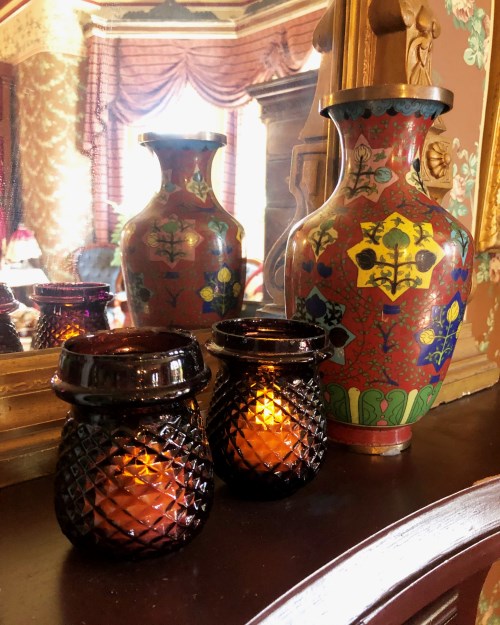
A row of five fairy lamps, small votive candle holders, in assorted colours of red, green, amber and colbalt blue

The Magic of Fairy Lamps

Fairy Lamps are beautiful little pieces of Victorian whimsy. With their many colours and gentle glow, they still garner a lot of attention today from collectors and #cottagecore enthusiasts alike. Fairy lamps have a long history. They come in many shapes, colours, sizes and designs. Discover the interesting history of fairy lamps and delight in their calming ambiance! The fairy lamps in this exhibit are from Glanmore’s Regional Collection. 

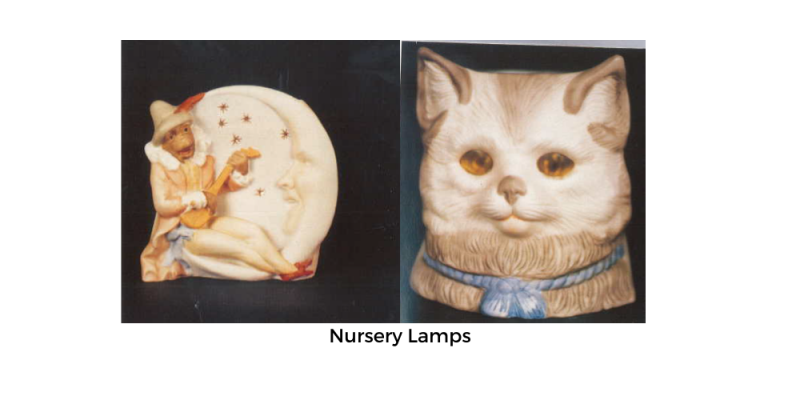
Fairy lamps are glass lamps which were lit using small candles. They came in many styles and were marketed as nightlights, lights for nurseries, and home security devices that would deter possible intruders. They were also utilized occasionally for vaporization to treat respiratory conditions.

Small, squat candles were wrapped in paper and placed inside the lamp or lamp dish with a small amount of water in the bottom. This would allow the contained candle to burn for many hours without having to be watched. This made fairy lamps a safer lighting device than oil lamps or taper candles.

They were highly popular by the late 19th Century around the world. Queen Victoria was a big fan of fairy lamps and it was rumoured that she purchased over 1,000 of them in the late-1880s to decorate the royal home.

Fairy lamps were useful for lighting dark areas of the home for lengthy periods. They were safe to use, beautiful to look at and very affordable. These qualities fueled their popularity. 
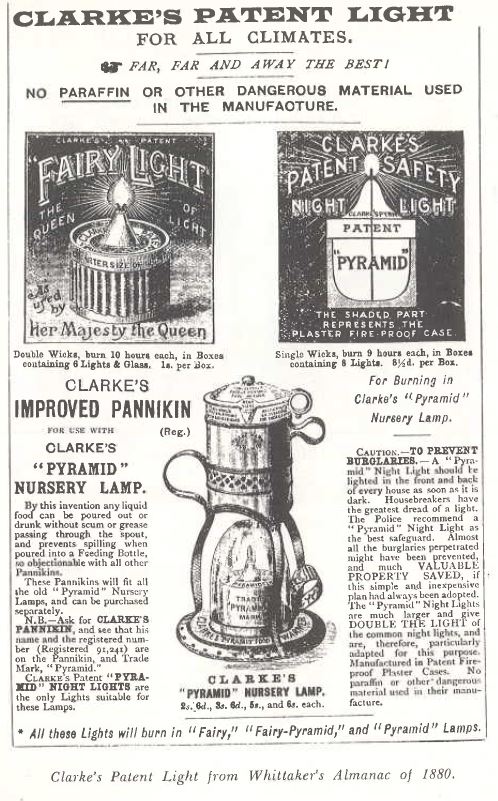
Fairy lamps were first introduced by Clarke’s Pyramid and Fairy Lamp Company in London, England in the mid-19th Century. The company was owned by Samuel Clarke, who received his first patent for fairy lamps in 1857; thirteen years after George Miller Clarke (who was kin to Samuel Clarke) applied for a patent for "improvements to night lights." 

Although other companies produced fairy lamps, Clarke’s was the most well-known and sought after brand, likely due to Samuel Clarke's effective marketing of the lamps. They reached the height of their popularity in the late 19th century. In 1886 at Regent's Park in London, England, Clarke displayed 15,000 of his fairy lamps to the public in partnership with the Botanical Society. 

The fairy lamps were added to the large botany display in the park which became a very successful attraction. The combination of plants, flowers and fairy lights delighted the public as well as Queen Victoria herself. 

Samuel Clarke used the image of a fairy when registering the trademark “Clarke Fairy Lamps.” It is unknown exactly why this was incorporated, but it has been speculated that the soft glow of the lamp made it appear like a little fairy was inside, which inspired the name.

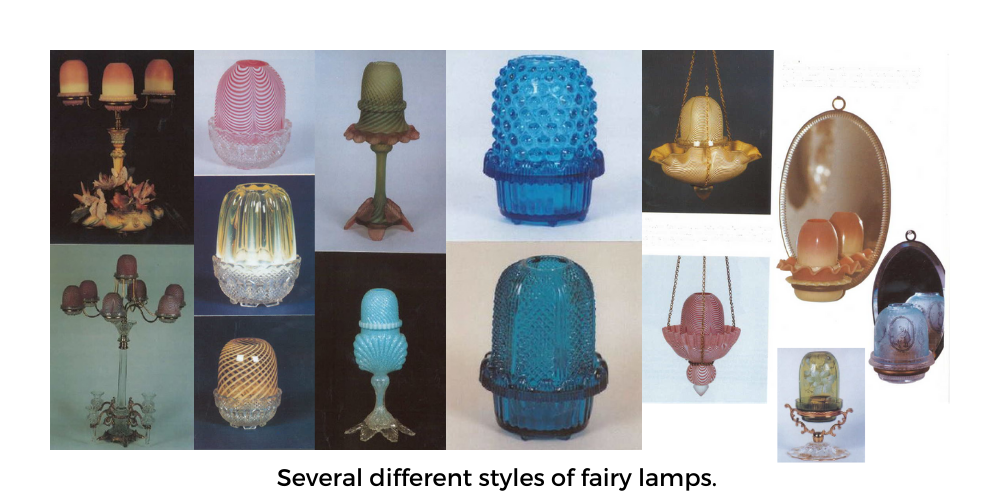
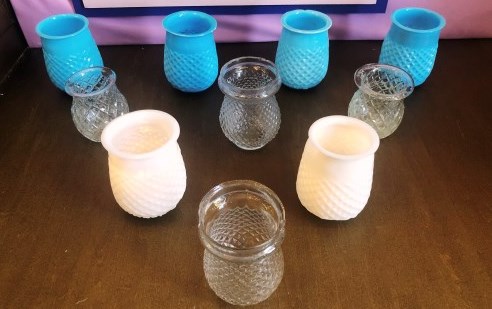
Fairy lamps come in many styles. The fairy lamps from Glanmore's Regional Collection largely reflect one type, with a few exceptions. The small lamps on display throughout the museum were mass produced, and were meant to be placed or clustered on a surface, or customized to hang from hooks. Fairy lamps range from simple styles like small glass lamps with a hole in the top, to ornate candelabras or even chandeliers.

Check out the following links to view more beautiful examples of Victorian fairy lamps:

Some valuable resources used for this exhibit are:

  • Book: Fairy Lamps - Evening's Glow of Yesteryear by Amelia E. MacSwiggan
    (ISBN: 978-1258176075)
  • Book: Fairy Lamps - Elegance In Candle Lighting by Bob and Pat Ruf
    (ISBN: 978-0887409752)

Subscribe to our News Feed!

Stay up to date on Glanmore's activities, events, programs, and operations by subscribing to our news feed.