

Cloisonné
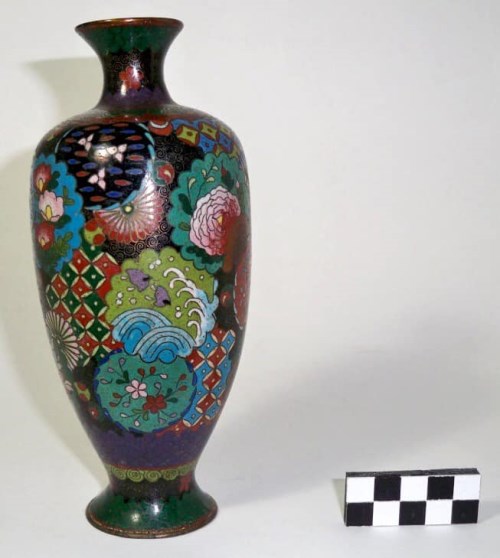
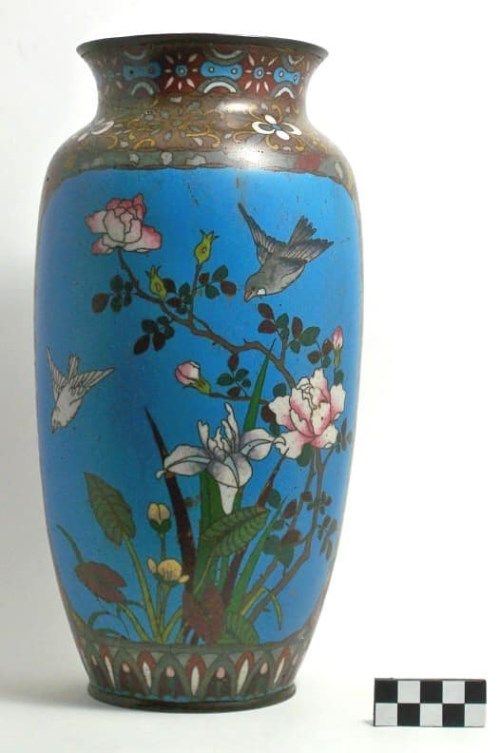
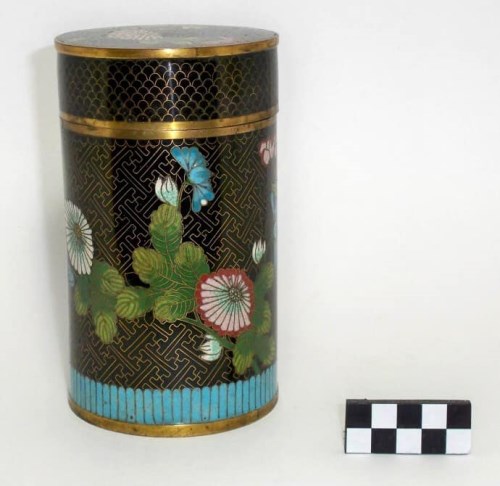
Cloisonné is a decorative art technique involving metalwork and enamel work. Metal wire is soldered to a metal base, creating designs and cellular spaces. These spaces or "cloisons" (a French word meaning "compartments") are filled with enamel paste. The object is then fired in a kiln, ground down to a smooth surface, and then polished.
Historically, cloisonné was produced in China and Japan as early as the 14th century. It was extremely popular in the Victorian era and was produced on a very large scale until World War I. Cloisonné is a beautiful example of Asian artistic excellence.
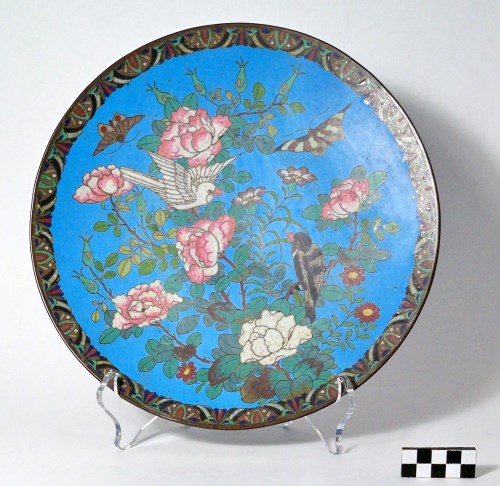
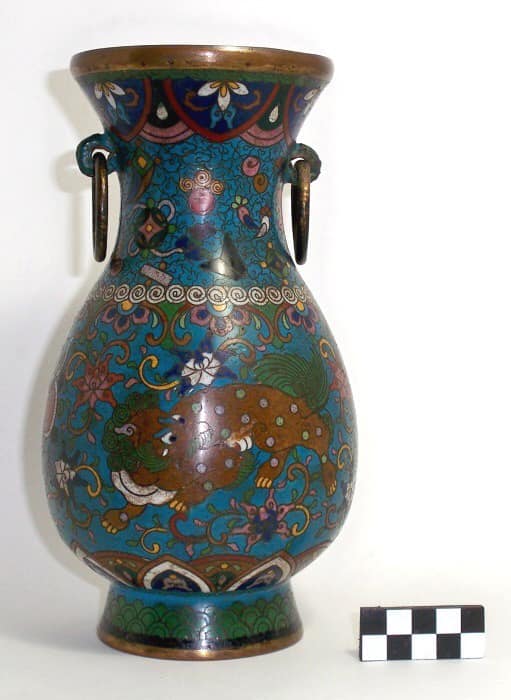
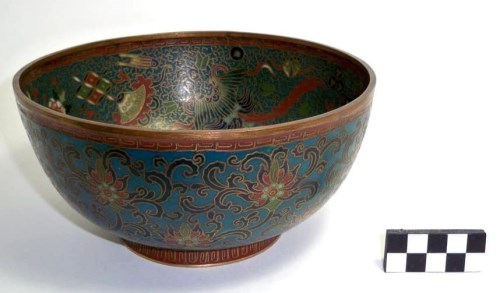
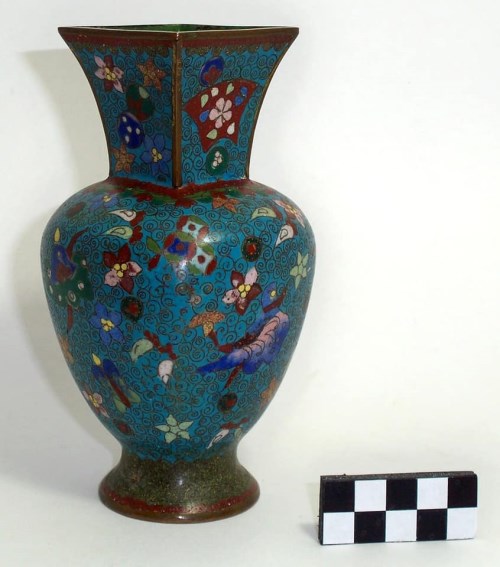
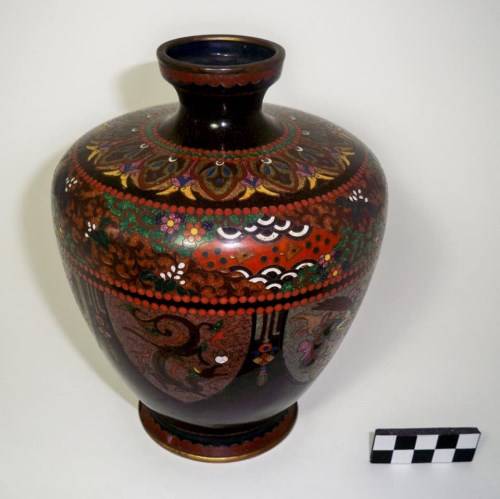
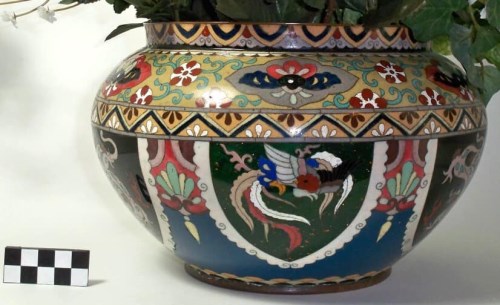
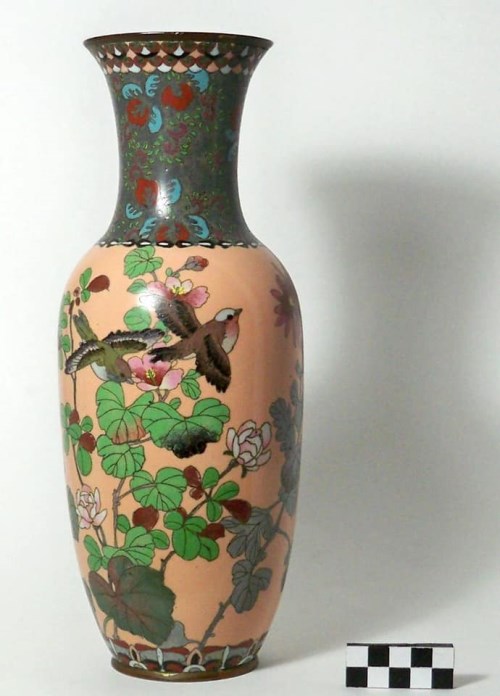
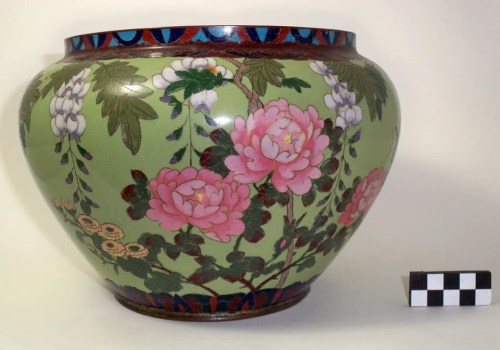
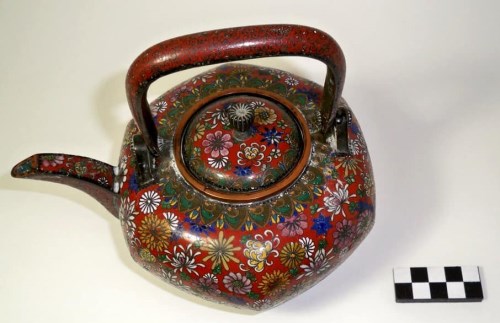
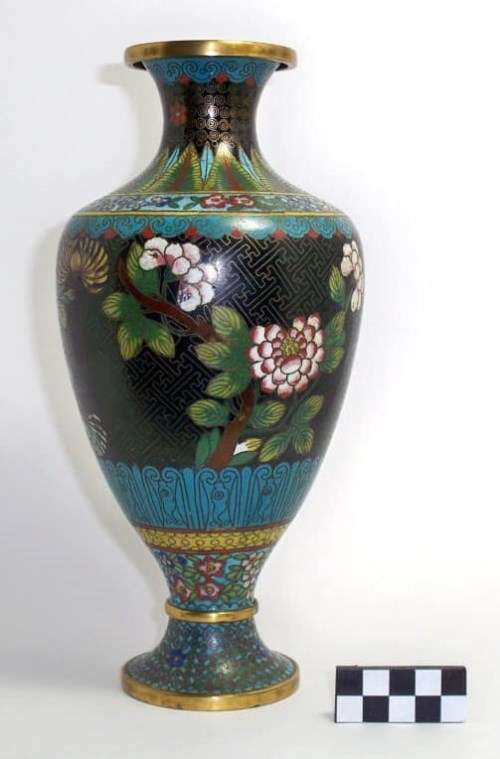
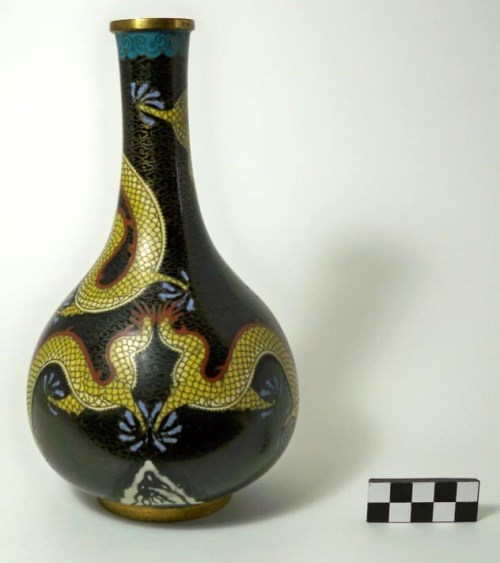
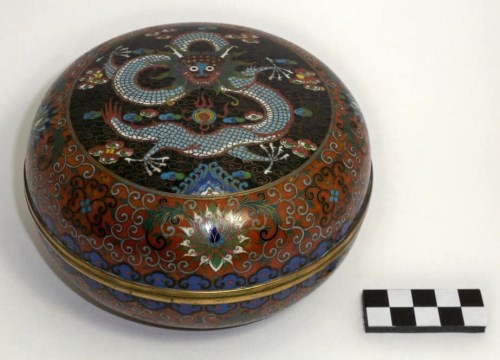
Glanmore's Couldery Collection contains approximately 65 pieces of cloisonné dating from the mid-1800s to the early 1930s. Bertram and Cecilia Couldery were avid collectors of cloisonné, and the later pieces suggest that Ann (Docter) Salaman (who inherited the Couldery estate) was as well.
The collection also contains many varieties of styles ranging between domestic cloisonné from China and Japan and pieces that were created to cater to a Western market.
To see more pieces in Glanmore's collections please visit our online database!
Gallery of Cloisonné

Contact Us
Glanmore National Historic Site of Canada
257 Bridge Street East
Belleville, ON, K8N 1P4
Phone: 613-962-2329
Fax: 613-962-6340
Email: glanmoreinfo@belleville.ca
Subscribe to our News Feed!
Stay up to date on Glanmore's activities, events, programs, and operations by subscribing to our news feed.